English

Views: 64 Author: Site Editor Publish Time: 2025-11-19 Origin: Site
Poor performance in liquid cold plates often stems from issues like inadequate flow rate, coolant contamination, high thermal resistance, or improper mounting. Identifying and addressing these root causes, such as optimizing pump settings, cleaning the system, or improving surface contact, is crucial for restoring optimal thermal efficiency.
When your high-performance system starts running hotter than expected, your liquid cold plate might be underperforming. Understanding the common culprits behind reduced efficiency is the first step toward a lasting solution. This guide will help you quickly diagnose and fix the problem.
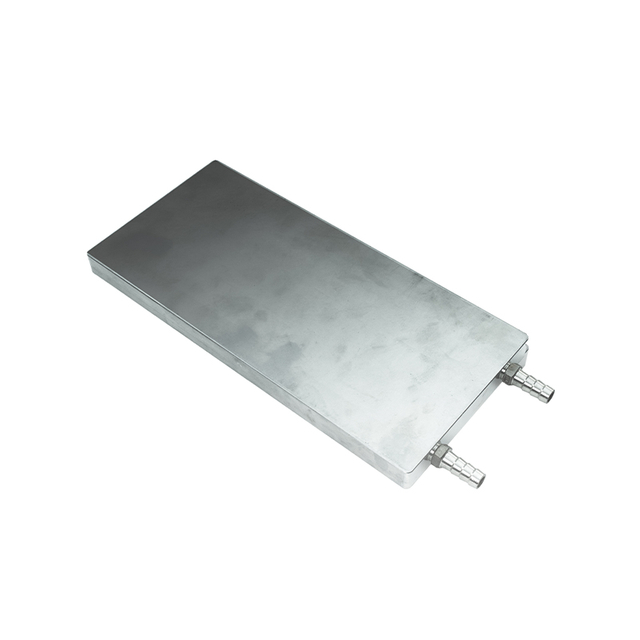
Poor liquid cold plate performance is primarily caused by insufficient coolant flow, high thermal resistance at interfaces, degraded coolant quality, or improper installation. Each factor can significantly hinder the cold plate's ability to dissipate heat effectively.
Identifying the specific cause is key to implementing an effective solution. Kingka, with over 15 years of thermal management expertise, helps clients diagnose and resolve these issues.
When troubleshooting a cold plate, focus on the fluid dynamics, thermal interfaces, coolant properties, and mechanical installation, as these areas cover the most common reasons for underperformance.
Examples: High component temperatures with a cold cold plate suggest poor thermal contact. A hot cold plate with cool return coolant indicates flow issues.
Key Takeaway: Systematically checking flow, thermal contact, coolant, and mounting helps pinpoint the exact problem, preventing unnecessary component replacement.
Performance Check Areas:
Inadequate coolant flow through a liquid cold plate significantly reduces its heat removal capacity, leading to higher component temperatures. This can be caused by a weak pump, clogged channels, or excessive pressure drop in the cooling loop.
Proper flow ensures that heated coolant is quickly replaced by cooler fluid, maintaining a steep temperature gradient for efficient heat transfer.
Insufficient coolant flow can result from an underpowered pump, obstructions in the fluid channels, or an overall system design that creates excessive resistance to flow.
Examples: A pump too small for the system's pressure drop, debris or scale buildup in channels, or kinked hoses.
Key Takeaway: Low flow means less heat is carried away. Check pump function, look for physical obstructions, and ensure the system's hydraulic design is appropriate.
Causes of Low Flow:
Weak Pump: Not powerful enough for system resistance.
Clogged Channels: Debris, scale, or biological growth.
Excessive Pressure Drop: Too many bends, small diameter tubing.
To fix inadequate coolant flow, ensure the pump is correctly sized and functioning, inspect and clean all fluid channels, optimize the cooling loop's hydraulic design, and properly bleed air from the system.
Examples: Upgrade to a higher-pressure pump. Flush the system with a cleaning solution. Replace narrow tubing with wider diameter hoses.
Key Takeaway: Regular maintenance and proper system design are crucial. Addressing pump issues, blockages, and system resistance will restore flow.
Solutions for Low Flow:
Verify Pump Function: Check pump speed, power, and condition.
Clean Channels: Flush system to remove debris, scale.
Optimize Loop Design: Reduce bends, use appropriate tubing diameter.
High thermal resistance between the heat source and the cold plate or within the plate itself can hinder heat transfer, causing overheating even if the coolant flow is adequate. This is often due to poor surface contact or air gaps.
Effective heat transfer relies on a continuous, low-resistance thermal path. Any interruption or poor contact acts as an insulator, trapping heat at the source.
High thermal resistance typically arises from an imperfect interface between the heat-generating component and the cold plate, or from internal issues within the cold plate's construction.
Examples: Uneven mounting surfaces create air gaps. Insufficient or improperly applied thermal interface material (TIM). Internal delamination in assembled plates.
Key Takeaway: Good thermal contact is paramount. Any air gap or poor interface material acts as a barrier to heat flow.
Causes of High Thermal Resistance:
Poor Surface Flatness: Uneven surfaces create air gaps.
Inadequate TIM: Too little, too much, or incorrect type.
Insufficient Mounting Pressure: Not enough force to compress TIM.
To fix high thermal resistance, ensure perfectly flat mating surfaces, apply the correct amount and type of thermal interface material, and use adequate, even mounting pressure to eliminate air gaps.
Examples: Lap and polish surfaces to improve flatness. Reapply a thin, even layer of high-quality thermal paste. Use a torque wrench for consistent mounting pressure.
Key Takeaway: Focus on optimizing the interface. Proper surface preparation, TIM application, and mounting pressure are critical.
Solutions for High Thermal Resistance:
Improve Surface Flatness: Lap or polish mating surfaces.
Correct TIM Application: Use appropriate type and amount of thermal paste/pad.
Ensure Mounting Pressure: Use proper torque for fasteners.
Coolant quality is critical for cold plate performance; contaminated or degraded coolant can reduce heat transfer efficiency, cause corrosion, and lead to blockages. Air bubbles within the coolant also significantly impair performance.
The coolant is the medium that carries heat away. If its properties are compromised, the entire thermal management system suffers.
Coolant quality issues include contamination by particles, chemical degradation, biological growth, and the presence of dissolved or entrained air, all of which can severely impact heat transfer and system longevity.
Examples: Hard water leads to scale buildup. Old coolant becomes acidic and corrosive. Algae clogs channels. Air bubbles reduce thermal conductivity.
Key Takeaway: Coolant is not just water; it's a critical engineering fluid. Its purity and composition directly affect performance and system health.
Coolant Quality Problems:
Contamination: Particles, dust, debris.
Degradation: Chemical breakdown, pH imbalance.
Biological Growth: Algae, bacteria, slime.
To fix coolant quality issues, regularly monitor and replace coolant, use appropriate filtration, implement biocides if necessary, and ensure proper system design to prevent air entrainment.
Examples: Replace coolant annually. Install a particulate filter. Use a deaerator or ensure the reservoir design allows air to escape.
Key Takeaway: Proactive maintenance and correct coolant selection are vital. Clean coolant ensures efficient heat transfer and prevents system damage.
Solutions for Coolant Quality:
Regular Coolant Replacement: Follow manufacturer guidelines.
Filtration: Install filters to remove particulates.
Biocides: Use appropriate additives to prevent biological growth.
Improper installation, such as uneven mounting, incorrect orientation, or damage during assembly, can significantly degrade liquid cold plate performance. These issues can create localized hotspots, reduce contact, or impede proper fluid flow.
Even a perfectly designed cold plate will underperform if not installed correctly. Attention to detail during assembly is crucial.
Common installation mistakes include uneven mounting pressure, misaligned components, overtightening or undertightening fasteners, and accidental damage to the cold plate or component surfaces during handling.
Examples: Overtightening one screw can warp the cold plate. Misaligning the cold plate with the heat source leaves parts uncooled. Dropping the cold plate can bend its base.
Key Takeaway: Installation is a critical step. Any error can undermine the cold plate's design efficiency.
Common Installation Errors:
Uneven Mounting Pressure: Leads to poor contact and hotspots.
Component Misalignment: Cold plate not centered on heat source.
Overtightening/Undertightening: Can warp components or reduce contact.
To fix installation-related performance issues, ensure components are mounted evenly with correct torque, verify alignment, inspect for and repair any surface damage, and follow manufacturer's installation guidelines precisely.
Examples: Use a torque wrench for even pressure. Double-check alignment before final tightening. Replace components with significant surface damage.
Key Takeaway: Adhering to best practices and manufacturer instructions during installation is essential for maximizing cold plate performance.
Solutions for Installation Issues:
Follow Mounting Instructions: Adhere to torque specifications and sequence.
Verify Alignment: Ensure cold plate is centered and flush.
Inspect for Damage: Check surfaces before and after mounting.
Kingka helps optimize liquid cold plate performance through expert thermal design, precision manufacturing, rigorous quality control, and comprehensive technical support. Our 15+ years of experience ensure your thermal solution is efficient and reliable.
As a one-stop thermal solution provider, Kingka offers end-to-end services, addressing potential performance issues at every stage.
Kingka's experienced R&D team provides free technical design support, including thermal analysis and airflow simulation, to optimize cold plate designs from the outset, preventing common performance issues before manufacturing.
Examples: Simulating flow paths to minimize pressure drop. Analyzing material choices for optimal thermal conductivity.
Key Takeaway: Proactive design prevents reactive fixes. Kingka's expertise ensures the cold plate is designed for peak performance.
Kingka's Design Contributions:
Thermal Design Optimization: Maximize heat transfer efficiency.
Flow Path Simulation: Minimize pressure drop, ensure uniform flow.
Material Selection: Choose optimal materials for thermal and chemical compatibility.
Kingka's state-of-the-art CNC machines and rigorous quality control processes, including multiple inspections and advanced testing, ensure that every cold plate is manufactured to precise specifications, guaranteeing high performance and reliability.
Examples: Precision CNC milling ensures optimal surface flatness. Every cold plate undergoes pressure and leak testing.
Key Takeaway: High-quality manufacturing translates directly to high-performance cold plates. Kingka's commitment to precision and quality minimizes manufacturing-related performance issues.
Kingka's Manufacturing & QC:
Precision CNC Machining: Ensures accurate dimensions and surface finishes.
Multi-Stage Inspection: At least 4 strict inspections throughout production.
Advanced Testing: Automatic CMM, pressure, and leak testing.
Poor performance in liquid cold plates can be frustrating, but it's often solvable. The root causes typically fall into four categories: inadequate coolant flow, high thermal resistance, degraded coolant quality, and improper installation. By systematically diagnosing issues related to your pump, fluid channels, thermal interfaces, coolant properties, and mounting procedures, you can effectively restore your cold plate's optimal heat dissipation capabilities. Kingka, with its extensive experience in thermal design and precision manufacturing, is your trusted one-stop solution provider, offering the expertise and quality assurance needed to prevent and resolve cold plate performance issues, ensuring your critical components remain cool and reliable.